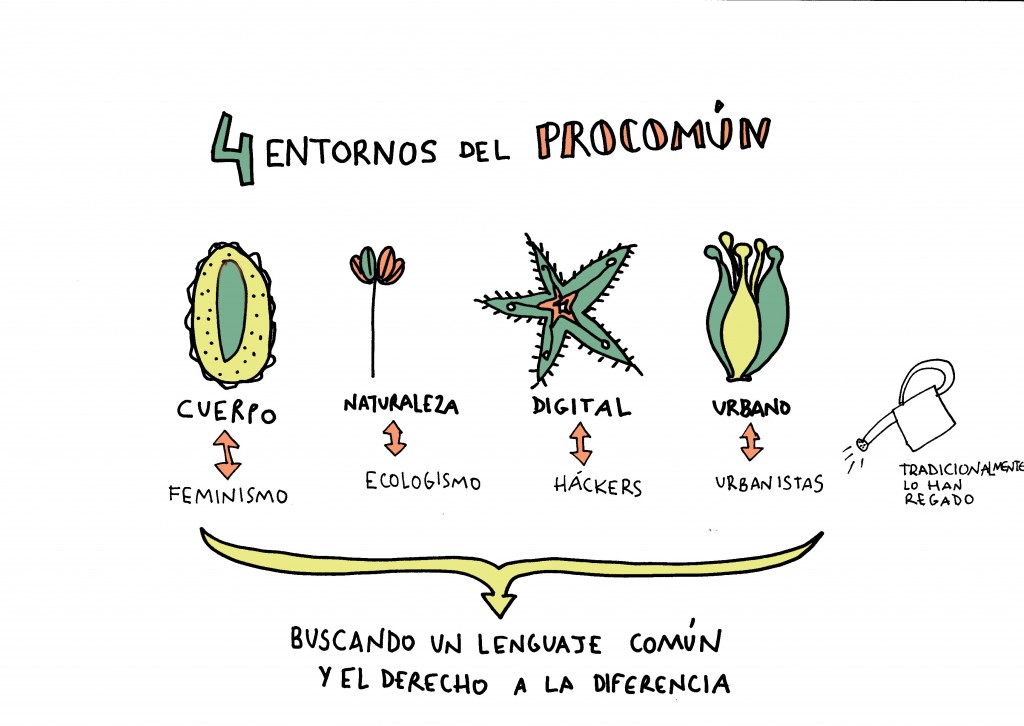
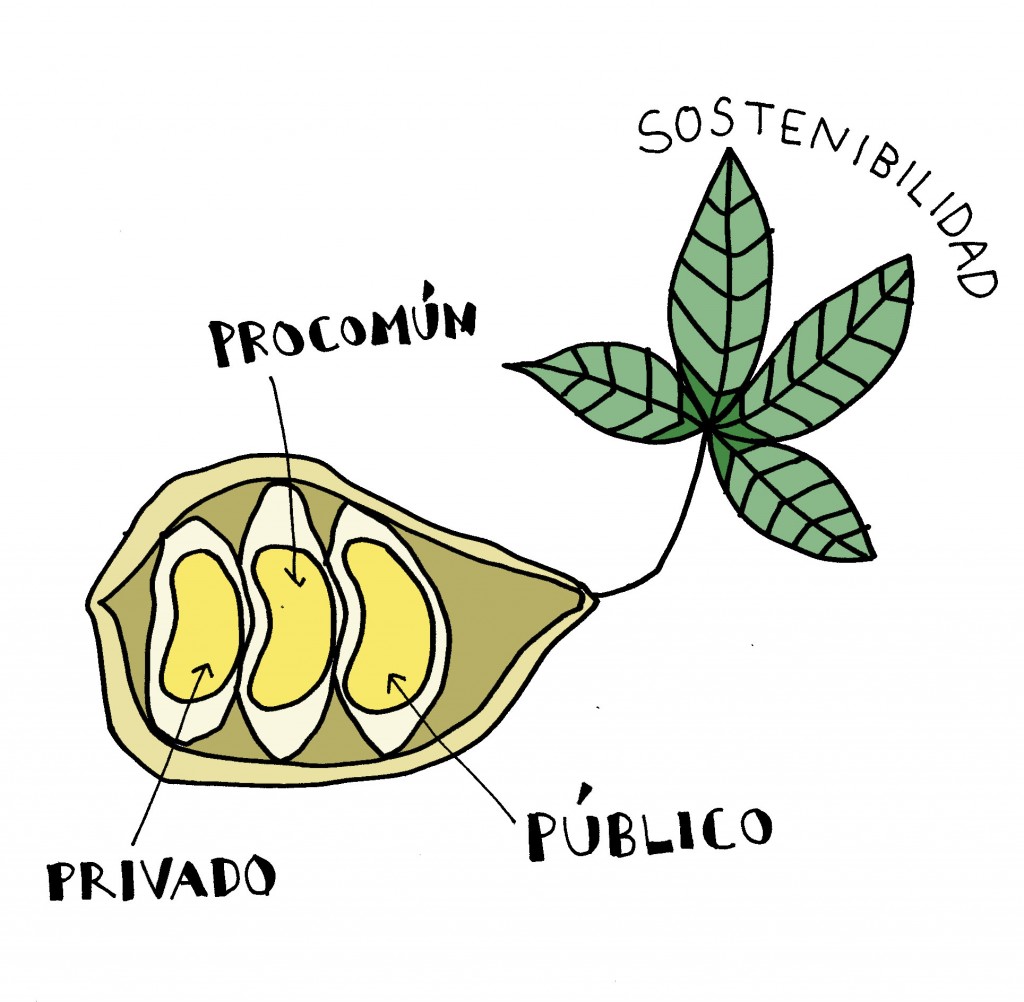
Dibujos de Antonio Lafuente
Sovereign human being
You are a sovereign human being although Governments around the world think differently and mark you at birth as their sole property with their brand of ownership, called citizenship.
Eres un ser humano soberano, a pesar de que los Gobiernos del mundo piensen diferente y te marquen desde tu nacimiento como suyos, con la marca de propiedad privada llamada nacionalidad.
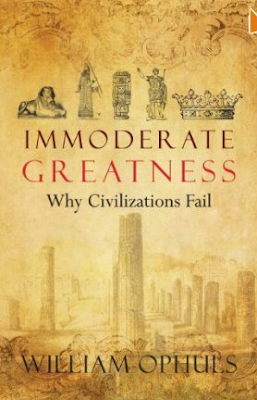
Inmoderate Greatness – Why civilizations fail
«Bluntly put, human societies are addicted to their ruling ideas and their received way of life, and they are fanatical in their defense. Hence, they are extremely reluctant to reform. “To admit error and cut losses,” said Tuchman, “is rare among individuals, unknown among states”
“… the hubris of every civilization is that it is, like the Titanic, unsinkable. Hence the motivation to plan for shipwreck is lacking. In addition, the civilization’s contradictions and difficulties are seen not as symptoms of impending collapse but, rather, as problems to be solved by better policies and personnel”
Author: William Ophus
Number of pag: 70
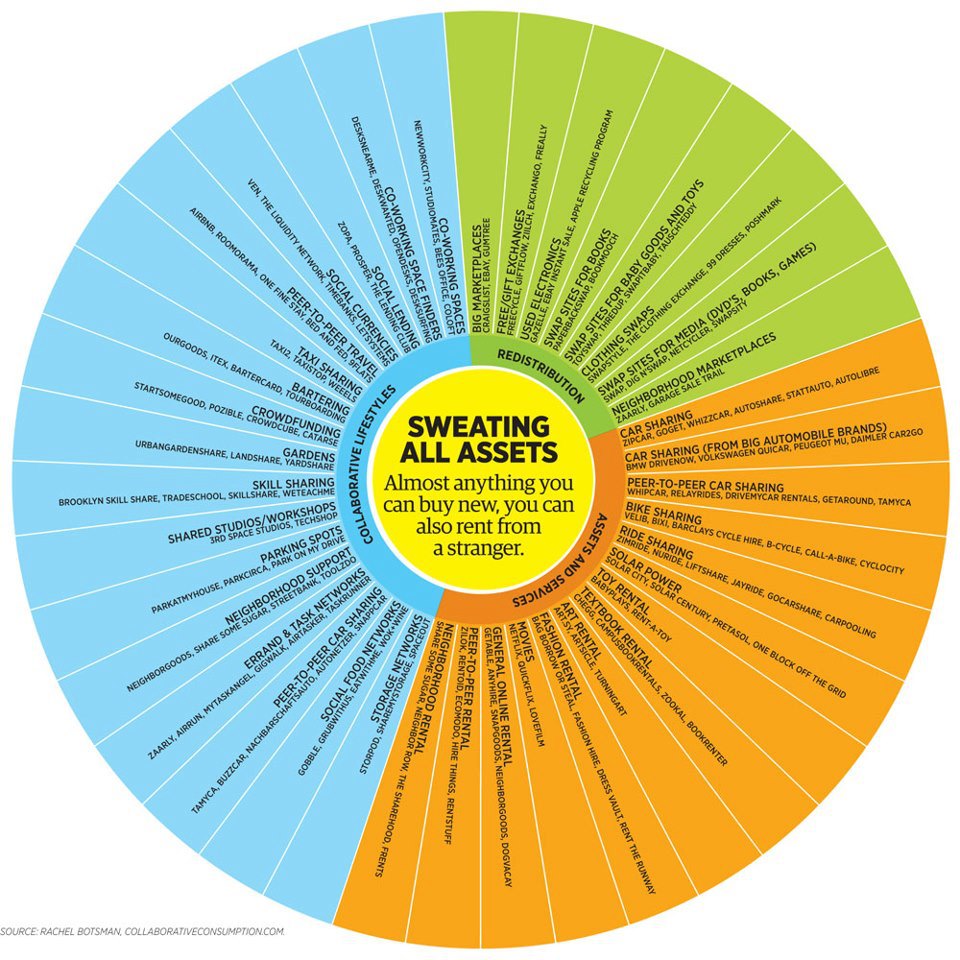
Consumo colaborativo
Desgraciadamente en España aún no hay muchas empresas que potencien el consumo colaborativo, por una parte es un pena, pero por otra y analizando la evolución que están teniendo este tipo de empresas en otros países con una cultura de cooperación más adelantada a la que vivimos en España, deja abierta la puerta a multitud de oportunidades de negocio: empresas con alma que ayudan a las personas y nos ayudan a disminuir nuestra huella ecológica.
Ideas ya en marcha….. ¡elije la tuya y localízala!
Farming with nature
«Create natural cycles and nature will work for you. Collaborate with nature do no confront it.»
Sepp Holzer
Sepp Holzer
Obey – When Corporations replaced Government
Do we want this future? Do we deserve it? Can’t we build a better one?«At any given moment there is an orthodoxy, a body of ideas which it is assumed that all right-thinking people will accept without question. It is not exactly forbidden to say this, that or the other, but it is ‘not done’ to say it, just as in mid-Victorian times it was ‘not done’ to mention trousers in the presence of a lady. Anyone who challenges the prevailing orthodoxy finds himself silenced with surprising effectiveness. A genuinely unfashionable opinion is almost never given a fair hearing, either in the popular press or in the highbrow periodicals.»
George Orwell
A film based on the book ‘Death of the Liberal Class’ by Chris Hedges. Where we unite behind brands, behind celebrities, rather than behind nations. Where we are corporation states. The rise of the Corporate State precipitated everything from income inequality to environmental collapse to the mainstream media’s metamorphosis from a tool of public service into a weapon of private interest.
Do we want this future? Do we deserve it? Can’t we build a better one?
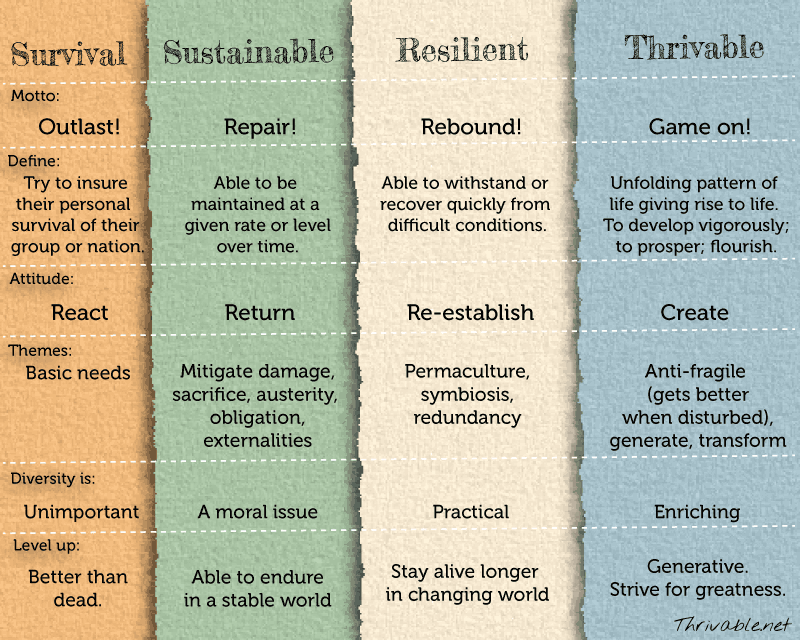
Resilience is not enough
It isn’t enough to repair the damage our progress has brought. The unintended consequences of our efforts to improve quality of life for humans has repercussions and requires action. Yes, and. It is also not enough to manage our risks and be more shock-resistant. Now is not only the time to course correct and be more resilient. It is a time to imagine what we can generate for the world. Not only can we work to minimize our footprint but we can also create positive handprints. It is time to strive for a world that thrives.
Thrivability transcends survival modes, sustainability, and resilience. Thrivability embraces flow as the sources of life and joy and meaning, adds to the flow and rides the waves, instead of trying to nullify the effects. Each layer includes and also transcends the previous layer, expanding both interconnections as well as expanding system awareness as each layer hits limits and discovers that more forces are at work than can be explained within their purview. Also, this is not a progression, where you need to move through one before beginning another. You can have aspects of yourself or your organization in multiple places in the chart and movement within the chart can be from any one area to any other. It is not a spectrum of progression. It is a spectrum of viewpoint. And most of us are like electrons, leaping about from point to point and sometimes seemingly nowhere at all… until you look and ask.
Jules Vernes – Prophet of science fiction
My tribute to Jules Vernes, one of my favourite sci-fi writers
Un homenaje a Julio Vernes, uno de mis escritores favoritos
Ecofilms
Nice web with a great video gallery on aquaponics and permaculture.
The hacker economy
Many people assume that evolution is about the survival of the fittest. It’s not. What really drives evolution is adaptation to changing environments.
That’s why our planet is made up of more than just one super-fit organism. Instead, we have a complex ecosystem. New things come in and displace old ones, but the old ones tend to stick around somehow. Some have survived for millions of years.
We can imagine sharks and algae thumbing their nose. For all the newfangled organisms that have come along in the past million years, they still thrive. To them, not much has changed. Yet it surely has. In much the same way, as old industrial giants are just getting used to the knowledge and information economies, a new hacker economy is emerging.
The Craft Economy
The first consumer product was probably the Acheulean hand axe, the “killer app” of the Stone Age that enjoyed market dominance in Africa, Europe and Asia for more than a million years. It was simple and useful, made of accessible raw materials and easy to distribute and became the “killer app” of the prehistoric world.
People made it themselves, used it and then created a new one when it wore out or when they moved on to another place. Most of human history was like that, people made what they needed, sometimes got help from friends or family members, but were mostly self sufficient. There was some trade, but not much.
The craft economy was quaint, but incredibly inefficient. The lack of trade meant that people couldn’t specialize on what they did best or take time to come up with improvements. There was some advancement, but progress was incredibly slow.
The Industrial Economy
When James Watt invented the steam engine, he unleashed the industrial revolution. Human and animal muscle power would be multiplied by machines, making products that were cheaper and more uniform. Incomes rose dramatically.
Frederick Winslow Taylor then led the efficiency movement, which broke down processes to simple basic tasks and sought to constantly improve performance. Progress led to improvements in life conditions. Production in mass quantities lowered prices further which created more demand. A virtuous cycle ensued where more wealth led to more productivity.
Eventually, a new type of organization arose, the corporation. Alfred Sloan at General Motors perfected it by emulating the centralized and hierarchical setup of the military. Even greater mass production led to mass marketing and the consumer culture.
However, the industrial economy was drab and boring. Uniformity was the order of the day. It was the era of smokestacks and the man in the gray flannel suit.
The Knowledge Economy
While industrialization brought great strides and created enormous wealth, eventually it became clear that that creating efficiency is not the same as creating value. Businesses needed to innovate to increase productivity and stay ahead.
That led Peter Drucker to introduce the concept of the knowledge economy, where workers were not valued for their labor as much as they were for their expertise. Recognizing the shift, companies as diverse as McDonalds and General Electric invested heavily in corporate universities.
The knowledge economy was paired with two other trends: Decentralization and globalization. Workers who are valued for their expertise can’t be supervised in the same way as ordinary laborers, because they know things their managers don’t. Globalization made it possible to leverage that knowledge across many markets.
The Information Economy
Often confused with the knowledge economy, the information economy is profoundly different. While the industrial economy was primarily about moving around men and materiel and the knowledge economy helped to do so more productively, the information economy represented a shift from atoms to bits.
Just as machines multiplied muscle power, information technology augments intellectual power. Information, rather than knowledge possessed by an individual, is fungible. Today, however, we prize products that move information well. Google’s algorithms don’t cost any more to run than anybody else’s nor do they depend on special materials.
What’s special about the information economy is its ability to create accelerating returns. We routinely expect that our products will get exponentially better and cheaper all the time and, as the power of information expands, that trend is becoming increasingly present in industries ranging from healthcare to energy.
The next phase of the information economy will be digital-to-analog technologies like 3D printing and programmable matter, which transform information directly into physical products.
The Hacker Economy
The new economy that’s emerging now is the hacker economy, where brands become platforms rather than products. An iPhone is valuable not so much for the hardware, but for the apps created by third parties and, increasingly, those third parties are small entities or individuals.
The irony here is that the hacker economy is, in a very real sense, fostering a return to the craft economy. As Chris Anderson explains in his new book Makers
, there is a large movement of people using open source technology to create their own products, although many are doing it for fun and enrichment rather than necessity.
And that’s what’s important. As economies evolve, choice expands. It is mass production, combined with knowledge and information, which has created such enormous wealth that we can choose our own possibilities.
Evolution, after all, thrives in niches.