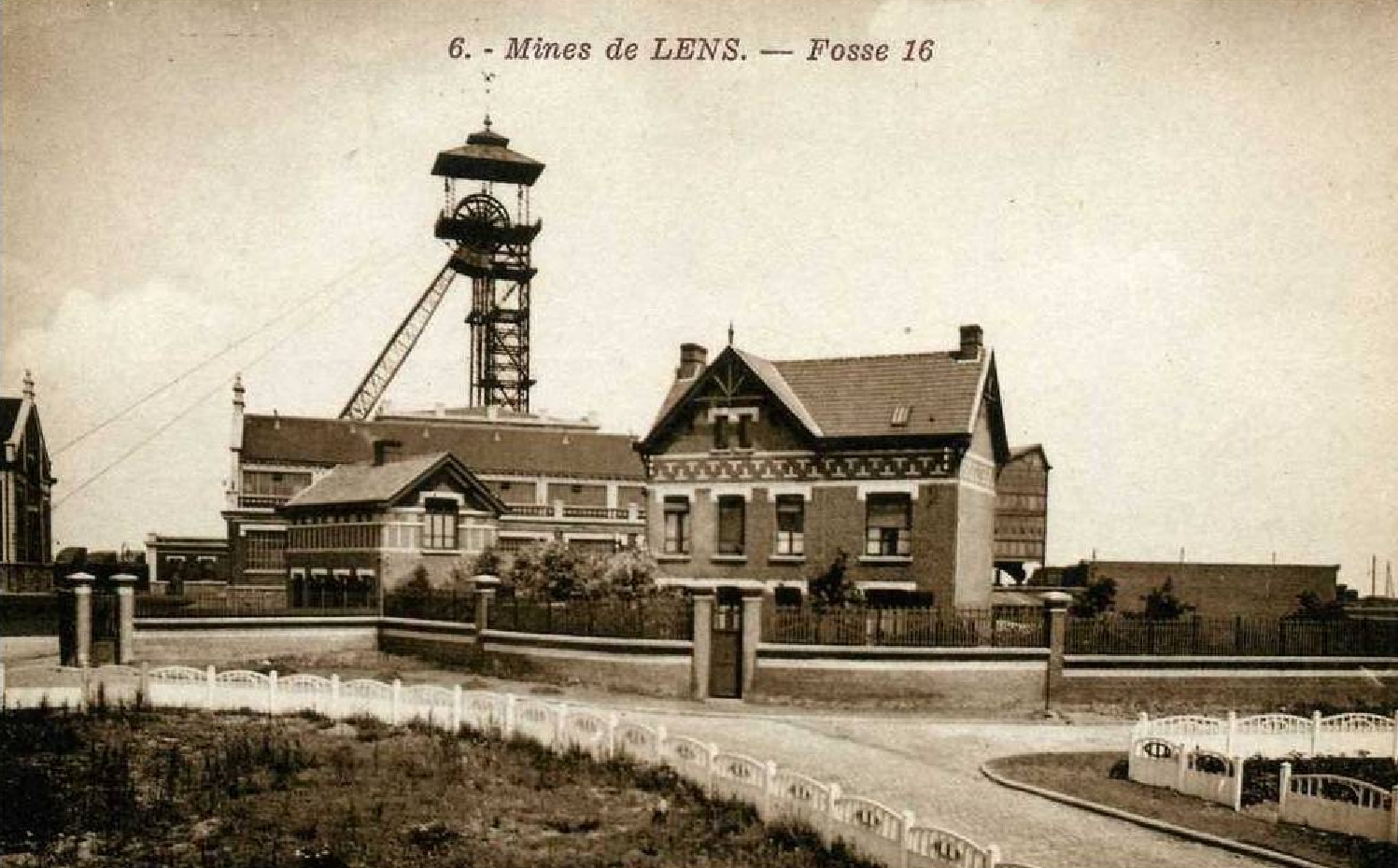
En la zona Norte de Francia, en la región del Paso de Calais el pueblo de
Loos-en-Gohelle se vio obligado a reinventarse. En el año 1990 la actividad minera de la región se desmantela y da paso a una etapa de transición hacia un nuevo modelo. En un inicio se apostó por la creación de empresas auxiliares a la industria automovilista, empresas que se vieron afectadas por la continua deslocalización, lo que llevó a la comunidad de Loos-en-Gohelle a atacar el problema desde la base, a cambiar la actitud y la forma de pensar.
Hoy Loos-en-Gohelle es una comunidad que sigue el camino de la sostenibilidad siguiendo cuatro premisas fundamentales:
- Cambio de mentalidad
- Desarrollo sostenible a partir de iniciativas locales
- Generalizar el desarrollo sostenible a todo el territorio, cambiando toda la ciudad.
- Evaluación contínua, investigación, especialización, ventajas de escala y clusters
Algunas iniciativas puestas en marcha en Loos-en-Gohelle:
COMPRA VERDE: El ayuntamiento lo compra todo reciclado, figura como condición en los pliegos. Además se prima la compra local y la baja huella ecológica (menor transporte, menor consumo de recursos no renovables…)
AHORRO EN AGUA Y SANEAMIENTO: el ayuntamiento no gasta ni un céntimo en agua, toda la que utiliza es de lluvia almacenada o reciclada. Hay estanques por la ciudad como elementos ecológicos y ademas como reservorios de agua. Se han desimpermeabilizado las superficies poniendo aparcamiento verdes donde el agua de lluvia se infiltra al terreno en lugar de acabar en un colector y en una depuradora sobredimensionada y con enormes tanques para las tormentas. En Loos solo va a depuradora el agua residual, la de lluvia se infiltra allí donde cae al terreno o se aprovecha para riego y servicios varios.
MOVILIDAD SOSTENIBLE: aquí falta mucho por hacer en transporte público, pero al 50% de los colegios se llega caminando, se han creado caminos peatonales para ello y se han distribuido de modo que sea más equitativo y más cercano el acceso a los centros públicos.
JARDINES Y HUERTOS ESCOLARES: se han creado en todos los centros cuyas AMPAS han querido colaborar, van los abuelos a enseñar a los niños a cuidar y cultivar, de este modo además se interrrelacionan.
ORDENACIÓN TERRITORIAL: se trabaja para juntar de nuevo los tres espacios vitales: donde duermes, donde trabajas y donde realizas tu ocio, dando con ello vida a la ciudad y ahorrando en transporte. Las ciudades del pensamiento único separan estos tres espacios dejando los barrios sin vida. Antiguamente no era así. Trabajo, ocio y reisdencia en un mismo lugar es más saludable, más social y más ecológico, las personas prierden menos tiempo en viajes, se gasta menos, se contmaina menos y las ciudades y barrios tienen vida social.
ECOCONSTRUCCIÓN: en Loos se han especializado en ecoconstrucción con materiales reciclados y técnicas y diseños de eficiencia climática. Hay varias promociones de viviendas públicas con esos criterios, que consiguen reducir el gasto en calefacción en un 90% (de 1500 euros/año a 150 euros/año, este dato es real, con facturas en la mano, y es para toda la vida de la vivienda). Las empresas privadas vienen ahora a Loos a aprender y a formar a sus técnicos.
POLO DE COMPETITIVIDAD PARA RECICLADO DE MATERIALES, con 12 millones de euros al año para investigación y desarrollo. Han creado un centro de investigación para desarrollar nuevos materiales reciclados y nuevos procesos de reciclaje. Ahora las empresas privadas van a Loos a formar a su personal en estas técnicas y construyen con ellas. Todos los datos de estos centros públicos están disponibles en red en los centros de ingeniería de Francia, todos los resultados se publican.
ESCUELA DE ECOCONSTRUCCIÓN: tienen un centro de formación profesional de ecoconstrucción.
MERCADO DE MATERIALES RECICLADOS, con exposición de técnicas de empleo. Investigación: Se analiza el ciclo de vida de los materiales, desde su producción, los elementos que se emplean, hasta su uso tras ser desechados.
PLATAFORMA DE ENERGÍA SOLAR: con menos horas de sol que Asturias son líderes en energía solar, son una referencia. Han hecho una central solar por medio de participaciones, cada personas que quería compraba un panel del conjunto. Los han vendido todos en horas y tiene una central solar colectiva que abastece a varios cientos de viviendas. Además han creado un centro de energías alternativas que prueba todos los sistemas existentes para saber si los fabricantes dicen la verdad y para evaluar a que tipo de entorno son más apropiados.
DEPORTE Y TIEMPO LIBRE: es muy importante para el desarrollo personal, se hacen muchísimas actividades, incluida una maratón por las escombreras.
ARTE también pretenden ser el Louvre en la antigua cuenca minera, con un convenio con el Louvre. Han hecho land-art con las escombreras
PAISAJE es fundamental para el bienestar de las personas y la actividad económica. Reforestación, cinturón ecológico, paisajes culturales, peatonalización, praderas accesibles…incluido el Patrimonio Minero, como paisaje cultural. Si no hay paisaje y entorno sanos y agradables, no habrá desarrollo económico en el futuro. Ellos en Loos no tenían paisaje ni naturaleza; ve que asturias si tiene, lo cual es una ventaja para nosotr@s.

 Sylvia García