Micro-ownership revolution

While we should always be weary of technological determinism, the article above makes a very cogent argument about how changing ‘p2p-driven’ transaction costs drive new distributed ownership models. It’s one of the best takes on the subjects I’ve seen and makes a really crucial connection for P2P Theory. Just add the necessity for social struggle and political organisation to make sure such a change is not derided.
Excerpted from Matt Cropp:
“If the cost of information, in fact, influences the optimal structure of a firm in the economy, then the growth of the Internet over the last decade should be understood as a signal that the traditional corporate model is heading the way of the dinosaur. Indeed, there is plenty of evidence to suggest that small to mid-size firms can use their flexibility to outmaneuver the existing behemoths in many ways; however, there are certain industries in which economies of scale will remain extremely important. However, some very recent developments have to potential to radically alter the ownership structures of such firms.

Of paramount importance is the emergence of peer-to-peer online monetary systems such as Bitcoin. By drastically reducing transaction costs and allowing for true micro-payments (on the order of hundred-thousandths of a cent), such systems have the potential to drastically reduce the minimum barrier to entry to obtaining an ownership stake in a firm. As a result, I believe we might begin to witness the organic transformation of many large firms to co-operative ownership.

The logic of such a transition is as follows. In a perfectly competitive market, the margin of profit trends towards zero, with consumers obtaining products at cost. In such a situation, the motivation for shareholders who do not use the firm’s products to retain ownership is fairly low, while the only tool left for a firm to attract customers away from its competitors would be to offer them an ownership stake in the business, which would guarantee that they would continue to receive the firms products at cost in the future. As such, it would be reasonable to expect the gradual transition of the ownership of many companies in the coming years from absentee shareholders to consumers.

A possible objection to this scenario would be to inquire as to why such a transition has not already occurred? The answer, I believe, lies in the relative cost of ownership. In 1800, owning a share of a London blacksmith’s shop while living in New York would have been prohibitively expensive, due to the fact that the transaction costs necessary to receive the benefits of ownership would eat up most, if not all, of the profits. However, once the underseas telegraph cable was in place, such costs were reduced to the point that such ownership became possible. It seems there is a similar dynamic at play with co-operatives.

In the past, co-operatives have only been successful in economic sectors in which the size of the economic relationship they have with their members is sufficiently large to offset the transaction costs of ownership (i.e., groceries, insurance, feed for livestock), and they have often further defrayed such costs through the use of volunteer labor. However, with such technologies as Bitcoin sending transaction costs plummeting towards zero, the range of firms that could be economically owned by their users/consumers is drastically expanding. The logic is simple – why patronize a for-profit firm when you can be assured you’re receiving goods and services at cost from your co-op store/auto repair shop/social networking website. Just as the first communications revolution gave birth to the age of the corporation, the rapid changes that our contemporary world is experiencing could be paving the way towards the age of the co-operative.”
P2PFoundation
España vuelve a emigrar

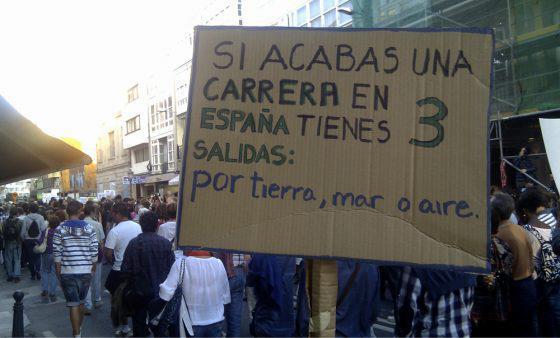
Hace poco vi esta foto por la red. He de reconocer que me pareció muy acertada y parece ser que no le falta razón.
Según los datos actuales con los que cuenta el INE, el balance del flujo migratorio de los próximos 10 años en España, supondrá la pérdida de casi un millón de habitantes. 
Es decir entre los que vienen de fuera y los que se van (la mayoría jóvenes universitarios, bien preparados que no encuentran trabajo en España) nuestro querido país entrará en tasas de crecimiento poblacional negativo.

Si preguntásemos a la Tierra

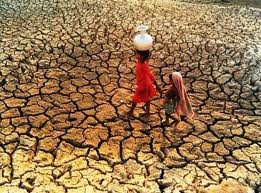
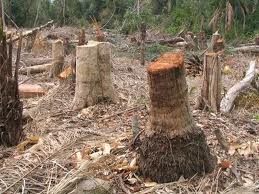
Si preguntáramos a la Tierra qué significa la palabra pobreza no hablaría de indicadores monetarios ni haría recuento de quienes viven con menos de un dólar al día. Probablemente nos mostraría vastos territorios deforestados, animales huyendo, cauces secos, especies extinguidas, poblaciones humanas desplazándose tras fuentes de agua o escapando de riadas, culturas que han perdido el sentido en urbes en las que sobran… probablemente ofrecería una imagen de pobrezas encadenadas: la pobreza vegetal, arrastrando tras de sí pobrezas animales y humanas, atmósfera, suelos y aguas empobrecidas. Hablaría del olvido de la interdependencia y de la ruptura de los ecosistemas vivos y señalaría a los seres humanos –algunos seres humanos– como primera causa de devastación.
Marta Pascual, ‘La pobreza leída desde el ecologismo’

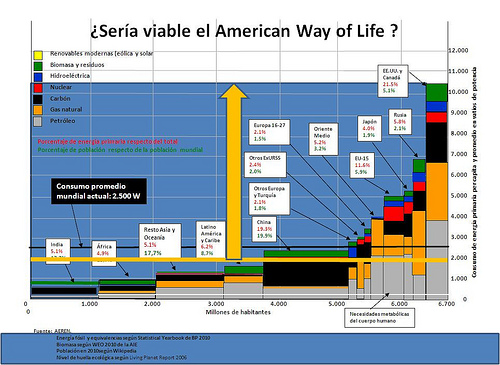
¿Es viable el American way of life para todos?

¿Cuántos mundos necesitaríamos si toda la población mundial viviese y consumiese la energía necesaria para mantener el American way of life?
¿8 mundos? ¿De dónde los sacamos?
Si no los podemos inventar ¿arrasaremos nuestros recursos para vivir por encima de lo que nuestro hábitat nos permite? o ¿dividiremos por 8 la población mundial para que los que queden puedan vivir según el American way of life?

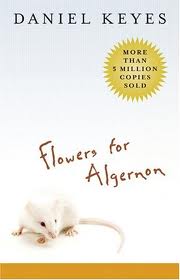
Flores para Algernon

De nuevo una recomendación de Maguisan. Un relato corto, para leer de una sentada
¿Es mejor haberla tenido y perderla o nunca haberla tenido? Y no, no habla del amor, sino de la inteligencia.
No me extraña que ganase el premio Hugo al mejor relato corto, allá por 1960 y que hace un par de años la convirtiesen en película.

Autor: Daniel Keyes
Nº pag: 28

Gunter Pauli and the blue economy

It was some moths ago when I first read the principles of the blue economy. Since then I haven’t deepened on them. For one reason or the other I haven’t had much time during the last year, but this is changing now.
Today I was idling away, surfing the web when I ended up reading an interview to Gunter Pauli, writer of the book ‘The blue economy‘ and founder of ZERI.
The interview recalled me my first thought about the blue economy. Why don’t the Governments, that are tearing their hair out over the new economy model, pay attention to the principles of the blue economy? It could be a very good starting point.
And after that thought, came a disturbing and unexepected secuence of different entrepeneurial ideas, just to make me realize that I’ve been tricking myself about having buried my entrepeneriual facet. For what I’ve seen today, everything heals and it’s just a matter of having time to start thinking again about new projects and  focusing them over a subject that really hooks one up or maybe it’s just the result of a really rainy month…who knows?

Biomímesis

Una fuente de inspiración; la biomímesis o biomimética es la ciencia que estudia el comportamiento de la naturaleza para imitarlo y desarrollar tecnologías innovadoras basadas en las soluciones que la naturaleza ha dado a la resolución de determinados problemas.
Por ejemplo: Mantener constante la temperatura y humedad de una casa imitando la forma en que las termitas lo consiguen, desarrollar un sistema de ecolocalización similar al de los murciélagos, conseguir un tejido igual de resistente y a la vez flexible como el de las telas de araña …
La naturaleza nos lleva billones de años de ventaja, ¿dónde podremos encontrar una mejor fuente de inspiración?

Crónica del asesino de reyes

Empecé en Junio con el primer volumen de la trilogía;  «The name of the wind». De nuevo, una recomendación de Maguisan, acompañdo de un encuentro fortuito en un evento de recaudación de fondos para los Lifeboats, en el que se vendían libros de segunda mano. A pesar de no querer más papel, caí en la tentación, lo compré y no sólo compré el primer tomo, sino que una vez empezado me enganchó y compré el segundo, «The wise man’s fear».1.656 páginas entre los dos y, lejos de aburrirme, estoy esperando la tercera entrega…

Un joven arcano corre mil y una aventuras, se convierte en una leyenda, pero algo hace que se esconda en un recóndito pueblo, fuera de las rutas comerciales, llevando una vida corriente, sin llamar la atención. Hasta que llega un escribano al pueblo y el joven arcano se compromete a contar su historia. Le pide 3 días, en 3 días relatará todo lo que le convirtió en leyenda. Lo que cuenta durante el primer día es el volumen 1, lo que cuenta el segundo día es el volumen 2, y lo que aún le queda por relatar, sólo un día más, formará parte del volumen 3.
Una estructura diferente del resto de relatos de fantasía épica que he leído. Un estilo narrativo también distinto, no tan explícito. Con una escritura que deja margen a la interpretación, a la ambigüedad. No abundan los seres fantásticos, ni grandes dosis de magia, ni grandes batallas. El protagonista no representa el bien absoluto, tampoco sus compañeros de viaje, con los que en realidad no viaja. Pero sin grandes alardes, es una historia que cautiva en su compleja sencillez y en su intricanda, pero clara, trama.
He cogido un atajo enorme al leerlo en inglés. Si lo estuviese leyendo en español habría tenido que esperar hasta Noviembre, que creo que es cuando publican el segundo tomo en España.
Para los que estáis esperando al lanzamiento en Noviembre, os lo recomiendo. Y a los que os animéis a desempolvar vuestro inglés, os recomiendo doblemente su lectura en el idioma original en que se escribió.
The name of the wind: 661 pag
The wise man’s fear: 994 pag